You just heard a dreaded sound: high-pitched squeaking when you applied the brakes of your vehicle. No matter how loud the music blares, it can’t be ignored. Nor should it be ignored! After all, your vehicle brake system is a part of your car that is critical to your safety. In this blog post, we’ll explore common reasons why car brakes squeal, squeak, and scrape, and what you can do about it.
CAUSES OF BRAKE SQUEAKS AND SQUEALS
1. Worn Brake Pads
Most brake pads these days are built with a metal indicator. The indicator gives off a high-pitched noise as the pads get close to wearing down to minimal thickness. Squeaking or scraping brakes are often a sign that the pads are very worn down and thin, and it’s time for replacement.
If the screeching noise doesn’t resolve quickly, be sure to get your vehicle checked out by a professional. You run the risk of damaging your vehicle’s rotors, calipers, and even your tires if you drive with subpar brakes. You also risk your safety.
2. Dirty Pads and Rotors
Dirt, mud, dust, and other debris can collect on the surface of your pads and brake rotors. This can happen in rugged driving conditions, and even typical driving conditions can kick up dirt, dust, and debris. Cars that sit for long periods of time, too, can collect dust. Any of these situations can result in screeching when you brake.
Oftentimes, driving your vehicle for a short period of time with several brake applications will take care of the squeaking. If it doesn’t go away, it’s time to see a professional. An inspection of your brakes should find and clear them of any debris, such as a small stone.
3. Moisture & Rust
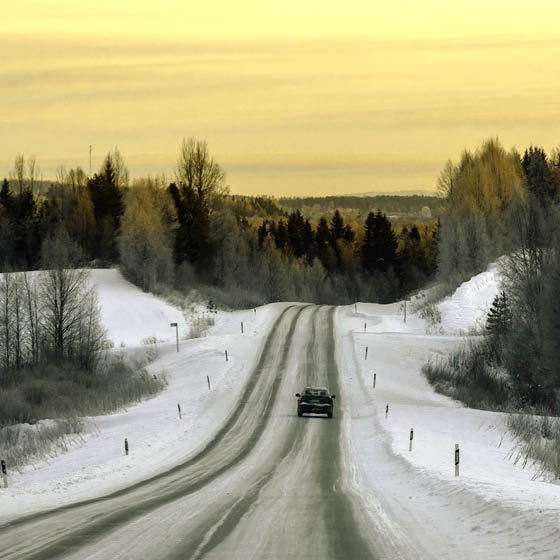
When brakes are exposed to moisture, a thin layer of rust can form on the rotors. This can happen by simply leaving your car outdoors or driving in rainy, snowy, or icy conditions. Even humid weather can create rust.
The good news is normal driving in dry weather can oftentimes remove the layer of rust. If symptoms do not improve, see a professional who can file the rust away. To prevent moisture from reaching your brakes, park in a garage if you can.
4. Hardware
Vibration is often the main source of noise in a brake system. Noise generally results from rust, distorted or loose components, as well as the wearing or weakening of an original part. As components weaken or become fatigued from the heat and stress generated in the brake system, they no longer fit properly. A professional can inspect your brake system to determine if any hardware needs to be replaced.
5. Lack of Lubrication
Sufficient lubrication is important to the function of any vehicle. If your vehicle has drum brakes, the shoes can rub on the backing plate without enough lubrication. This creates metal-on-metal contact, resulting in squeaking brakes. A professional can quickly and safely apply brake grease to any contact points between the drum and shoes to stop the squeaking.
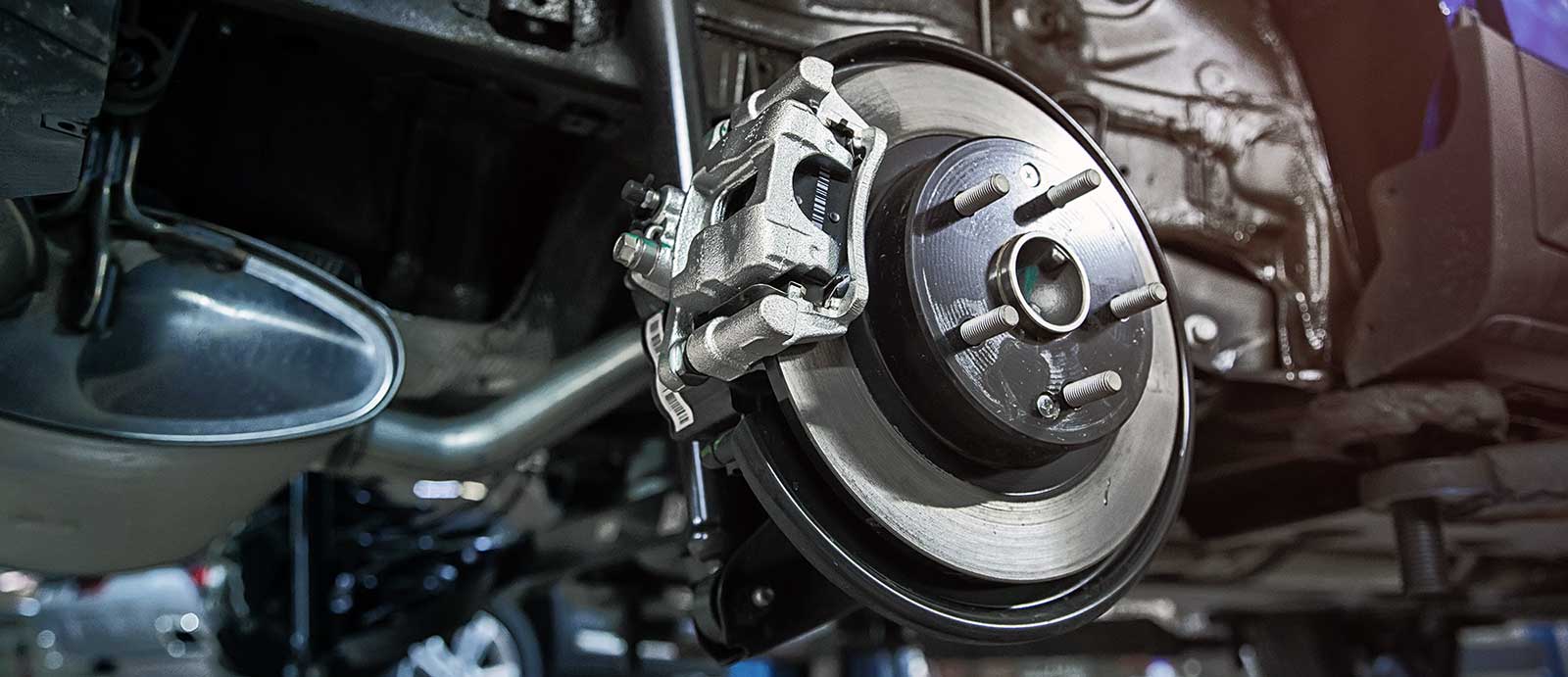
Calipers, too, need lubrication to function properly. Calipers are the components of your vehicle that enclose the brake pads and pistons to create friction with the rotors. Without adequate lubrication, your calipers can stick, or worse, hang up, fail to release pressure, or even wear down the brake pads.
To fix this, see a professional who can apply lubricant between the brake pad’s edges and the caliper, and clean the slide pins, too. They can check the caliper bolts as well. If caliper bolts are too tight or too loose, it can result in squealing brakes.
WHEN SHOULD I GET MY BRAKES CHECKED?
Your safety depends on your vehicle brake system working properly. A surefire way to identify brake noises and their causes is to stop at a local Mr. Tire Store near you for a FREE brake inspection. Schedule an appointment and one of our skilled Technicians will examine your vehicle, including brake pads, brake fluid, rotors, and treads.
We’ll provide a written estimate of any recommended maintenance or repairs. If you need any repairs, we’ll get you back on the road safely and quickly. Be sure to check out our offers page for any coupons or special promotions!