How Often Should I Get an Oil Change?
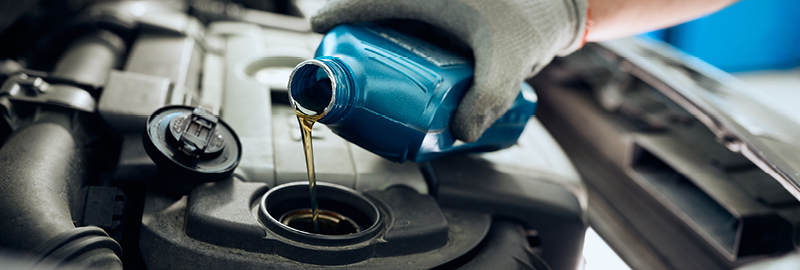
Even the experts disagree about oil changes. Some suggest that you get them every 3,000 miles, while others say every 7,000 miles. The answer is it really depends! The frequency you should change your oil depends on the make and model of your vehicle and the oil used. These days, many vehicles have an oil life monitor that indicates when it is time for an oil change. Otherwise, most vehicles generally require an oil change every 5,000 to 7,500 miles although some manufacturers specify 5,000-mile intervals. It is always recommended to consult your owner’s manual for maintenance guidelines. Keep in mind, your driving habits dictate when to change engine oil. For example, if you frequently drive in conditions such as hot weather, dusty roads or stop and go traffic, you might need more frequent oil changes.
Why Get Regular Oil Changes?
Regular oil changes can save you money in the long run by protecting your engine! Over time, oil breaks down and its viscosity increases, becoming thick and sticky like mud. This worn-out oil clings to the engine parts and does a poor job of lubricating them. This results in wear and tear and reduced fuel efficiency as the engine works harder to overcome increased friction. Even worse, it can lead to engine failure. Because these parts are intricate and replacement typically requires a skilled professional, it can often be cheaper to simply buy a new engine or even a new car!
What About the Oil Filter?
Maintaining the oil filter is just as important as getting oil changes regularly. The oil filter protects your engine from abrasive particles such as dirt and other solid contaminants. So, if you wait too long to change the filter, it can become clogged. As a result, unfiltered oil will be circulated through your engine and can cause easily prevented corrosion or damage to your engine. Our Technicians recommend you use your manufacturer’s maintenance schedule as a guideline to determine how often you need both an oil change and when it’s time to replace your oil filter. If you’re not sure, come to your local Mr. Tire and we can evaluate your oil filter to determine if your vehicle needs an oil change or a new oil filter.
Signs That You’re Overdue for an Oil Change
There are some signs to suggest that it’s time for an oil change. These signs include:
- The oil change or check engine light is on
- Odd engine noises, including knocking or tapping sounds
- Presence of oil leaks
- Noticeable burnt oil smell
- Poor gas mileage
- More exhaust or colored exhaust smoke
Where Can I Get an Oil Change?
Many quick lubes offer speedy oil changes. But when you come to a Monro Family of Brands location like Mr. Tire, you will get much more than a pour. Your vehicle will receive:
- Up to 5 quarts of Valvoline™ Daily Protection Synthetic Blend, Valvoline™ Synthetic Blend High Mileage, or Valvoline™ Full Synthetic motor oil.
- FREE ConfiDrive Performance Review to check fluid levels, oil filter, battery, brakes, steering and suspension, tire tread depth and pressure, and more!
- FREE tire rotation to reduce tire tread wear
- FREE brake assessment to measure your brake pads and rotors, ensuring stopping power
-
Visit a location near you for your next oil change – walk ins are welcome! Or, if you prefer, schedule an appointment for a time that is convenient for you.